UX Tree is a small, Ireland-based organisation dedicated to training industry-ready UX designers. However, processing 12-15 quality applicants out of several hundred is a major drain on resources, especially when applicants are mistaken or unsuited to the course.
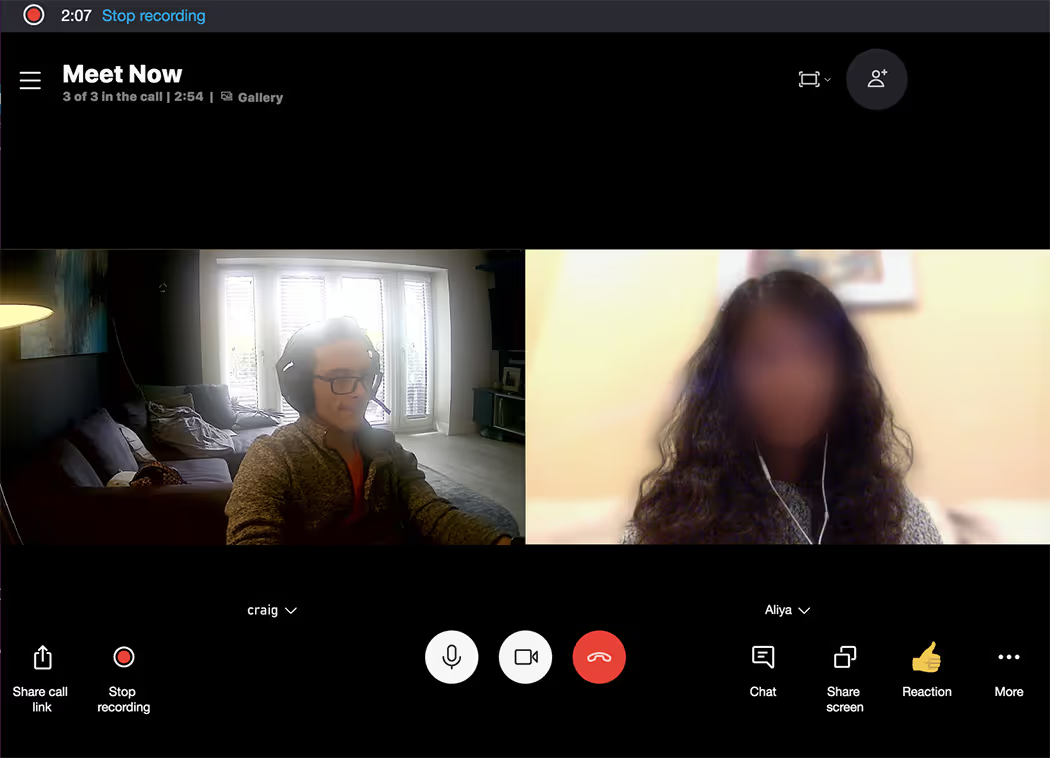
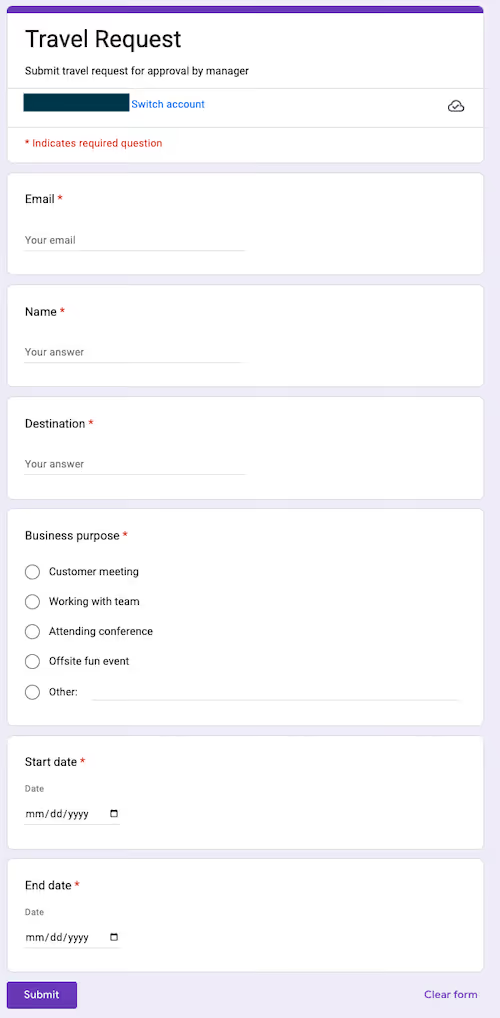
As a part of my UX Tree Mentorship program, I was asked to study the UX Tree website itself and determine how to improve the application rate by researching how its current users behave and reducing any friction points.
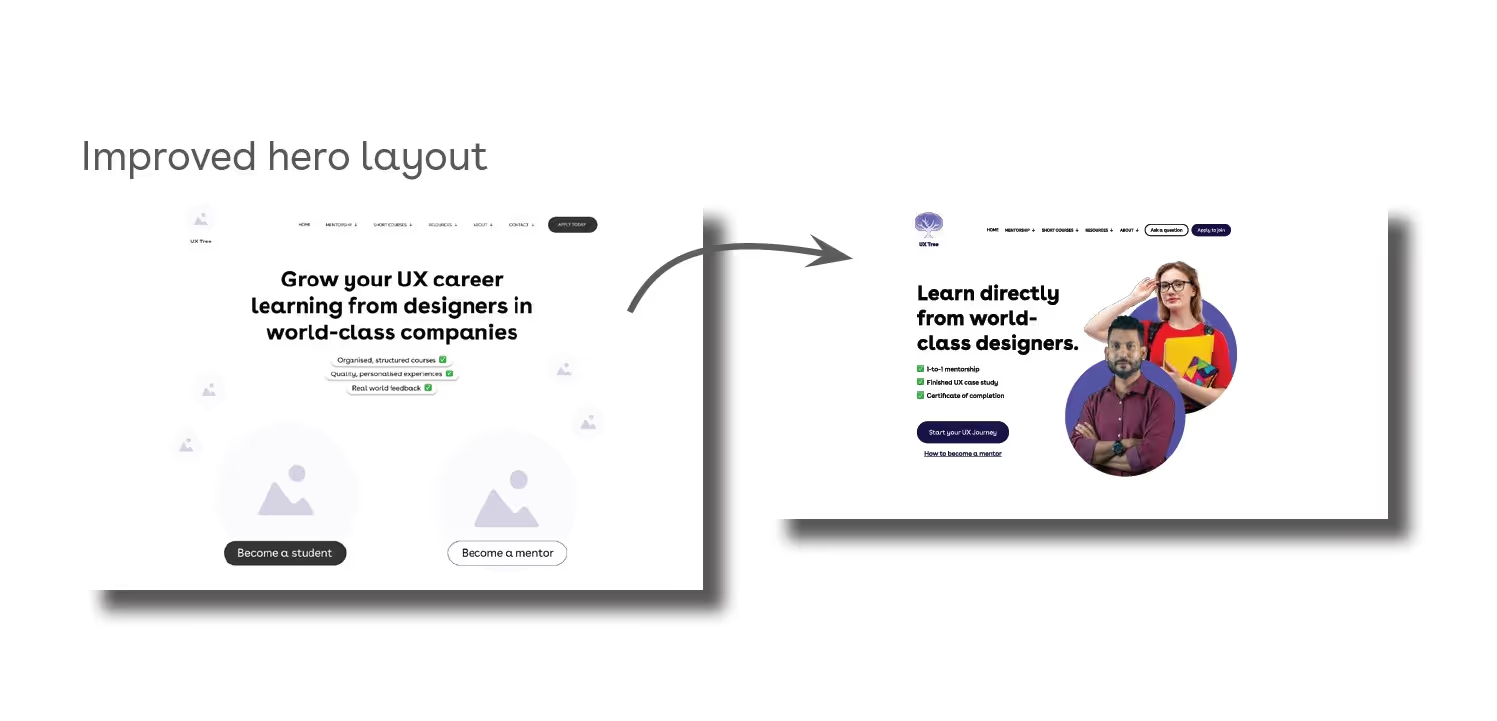
After interviewing 30+ UX students and professionals, UX Tree implemented many of my suggestions, including layout, terminology and imagery updates, leading to higher student conversion rates and smoother student processing.
UX Tree was founded in 2020, and takes in small numbers of UX students for high-quality, individualised, one-to-one online mentorships every few months with the goal of producing industry-ready graduates. Based in Dublin, Ireland, it has an extremely well-respected reputation among the city’s small community of UX designers.
After the first meeting with the founder I noted:

UX Tree wants to minimise friction and confusion about their business offerings to first-time users, in order to maximise the quality of applicants, resulting in industry-ready, influential graduates.


As there’s no issue with the number of applicants, the key metric for success is reducing incorrect or misaligned applications, as each student needs to be individually interviewed and vetted.
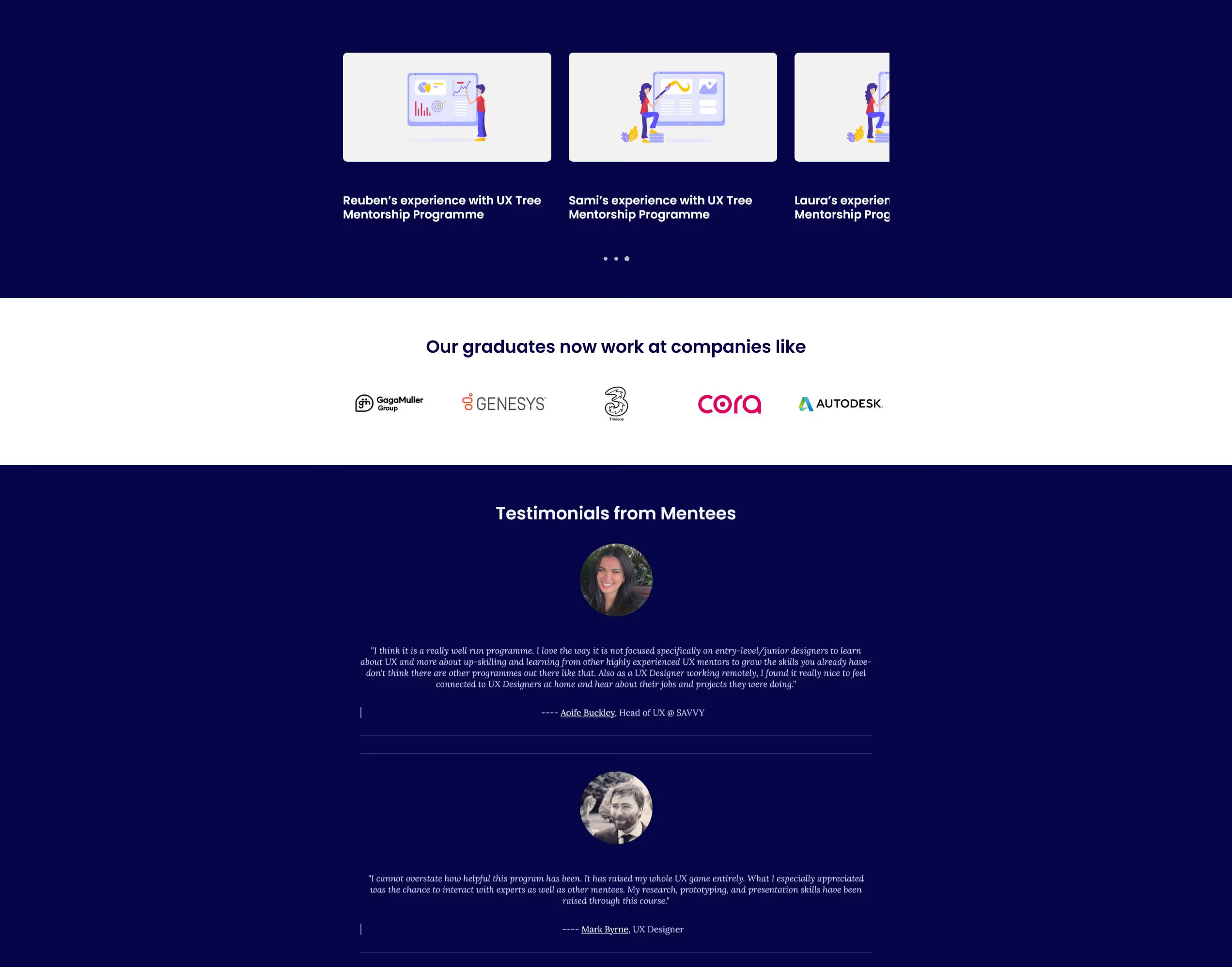
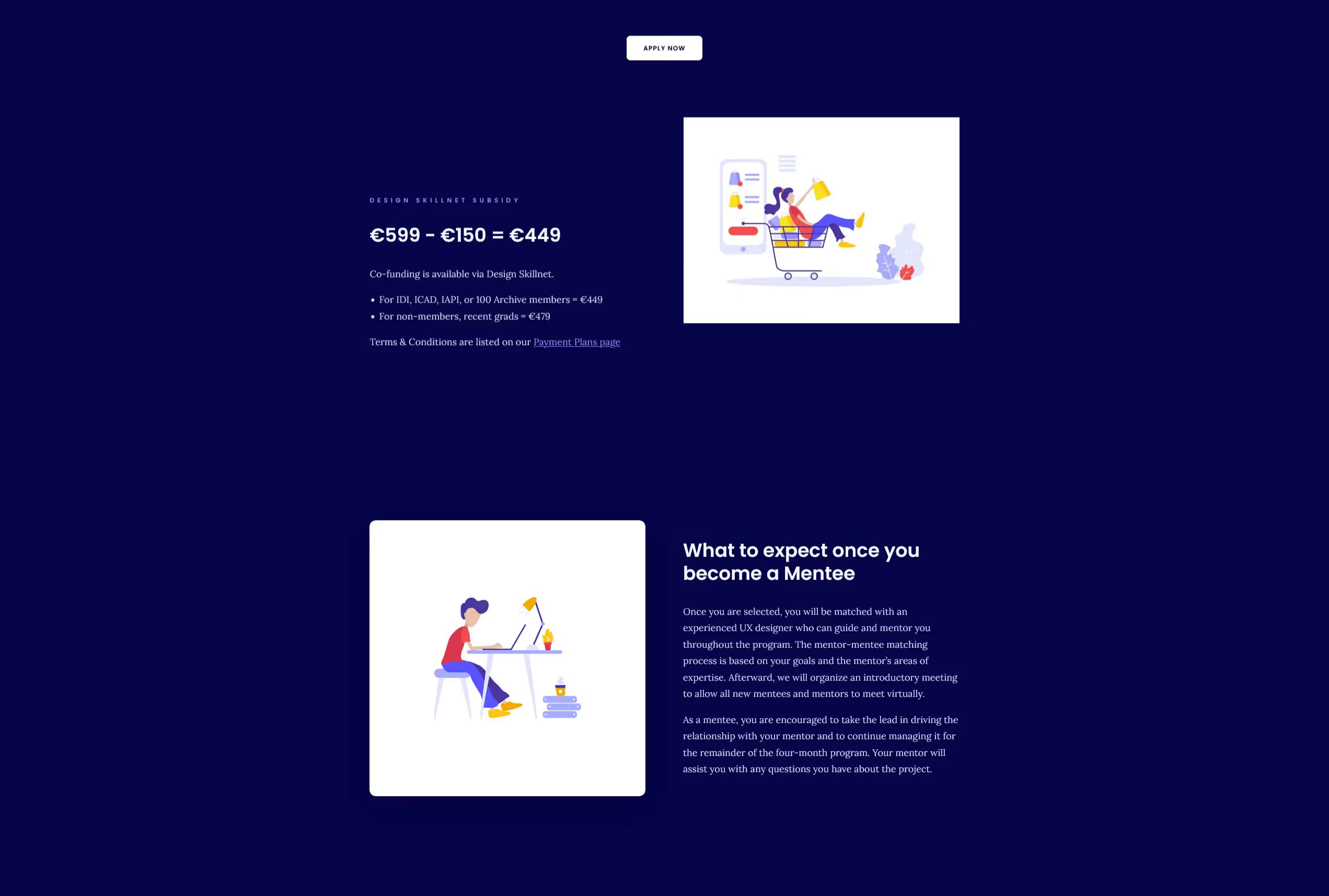
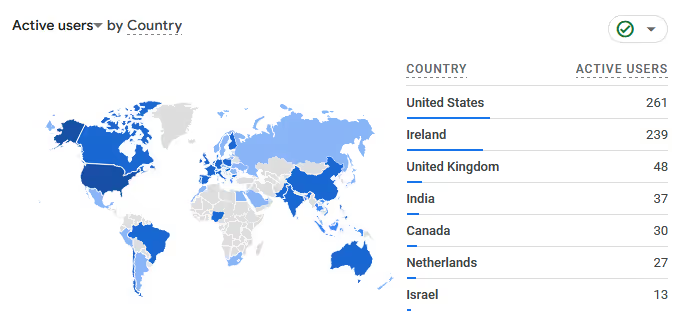
To find a solution, I wanted to examine the homepage and see what expectations it sets, backed up with data gathered from examining users and looking at it’s analytics.

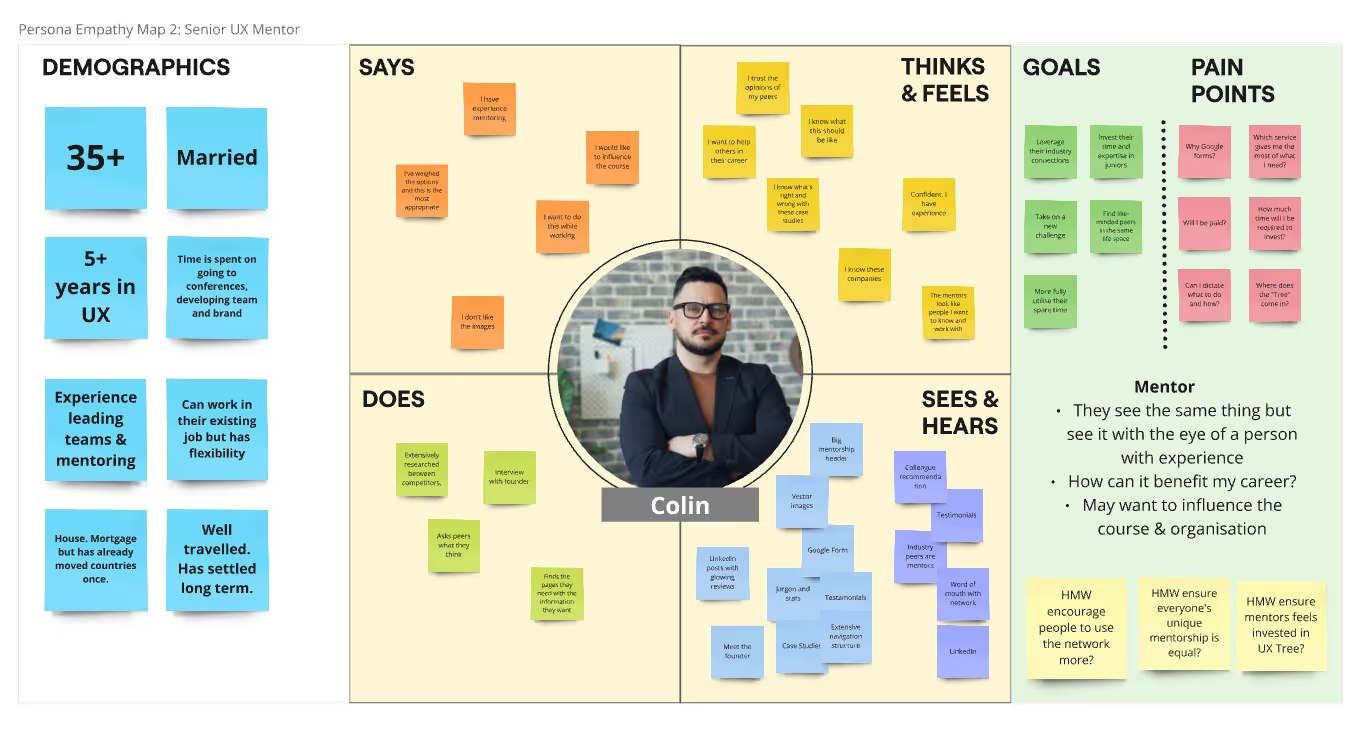
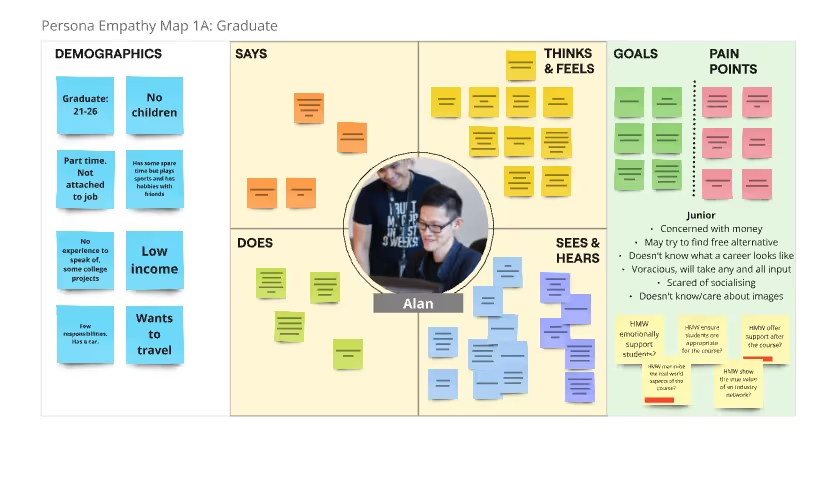

“I want to start my career in UX”

“I want to move into UX”

“I want to share what I’ve learned”
“I want UX Tree to require less micro-management.”
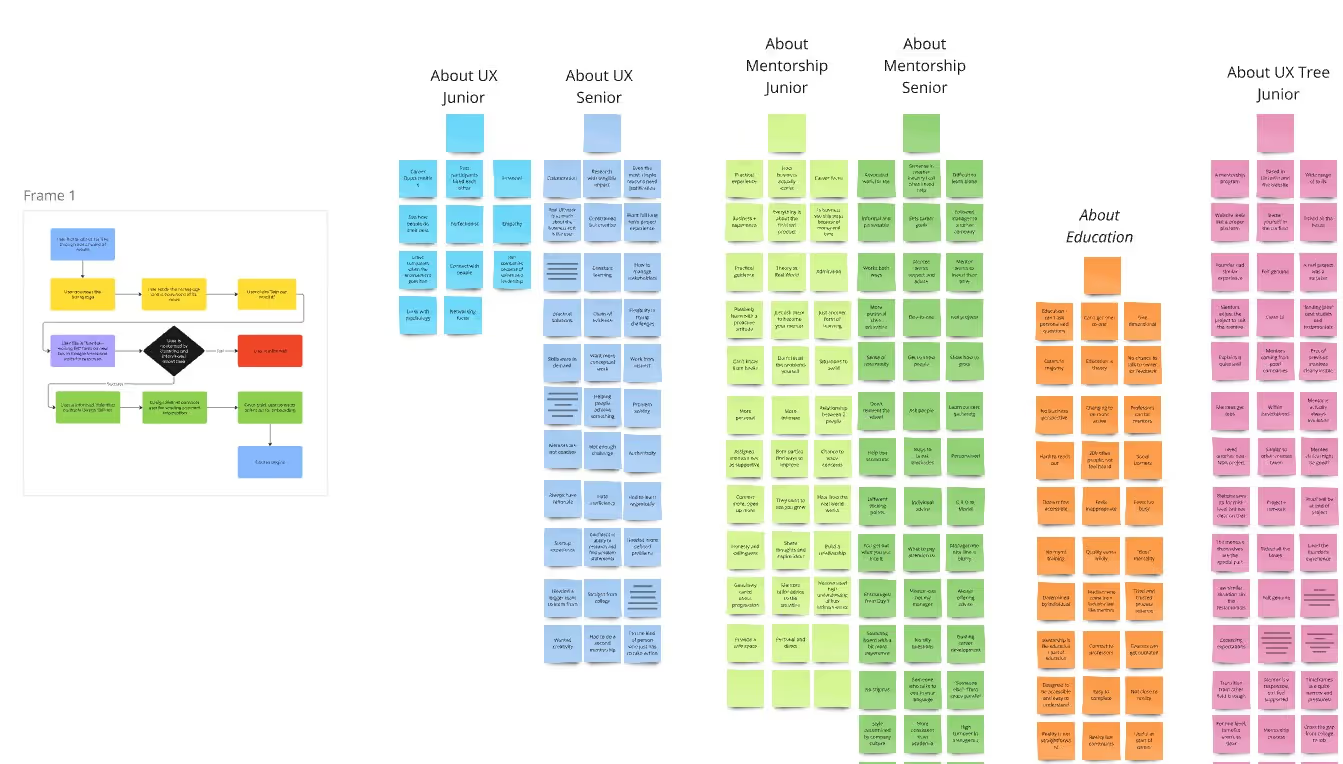
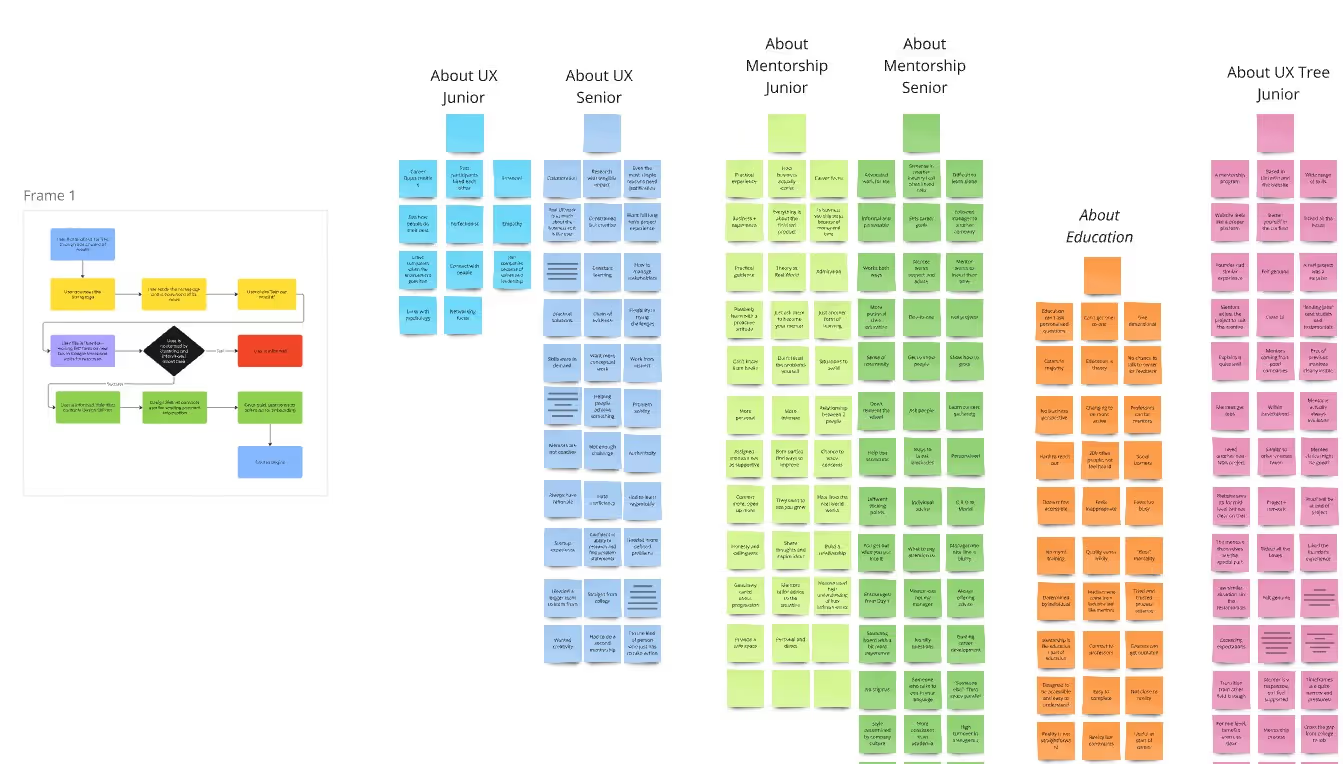
Sorting through the notes, a few key themes emerged that also aligned with the business’ priorities:
I identified that the crossover in wants and needs centered around 3 main topics:
“The website needs to communicate and deliver the values of quality mentorship, application-ready case studies, and an interactive community
in order to inspire the right users to sign up
so that it can maintain and grow its reputation as a producer of top-tier UX talent.”
.jpg)
I saw first-time users find difficulty describing what the website offered, so wanted to shore up any miscommunications as soon as possible with a quick, persuasive piece of copy within the first 2 folds.
.jpg)
A quality case study should lead to a job. By combining a testimonial and case study from a single successful student, I hypothesised I could combine several sections into one, efficient, persuasive social proof.
During testing, there was a visible positive reaction to using the recognisable brands of mentors and case studies. I used this to clearly demonstrate the benefits of connecting to such a community.
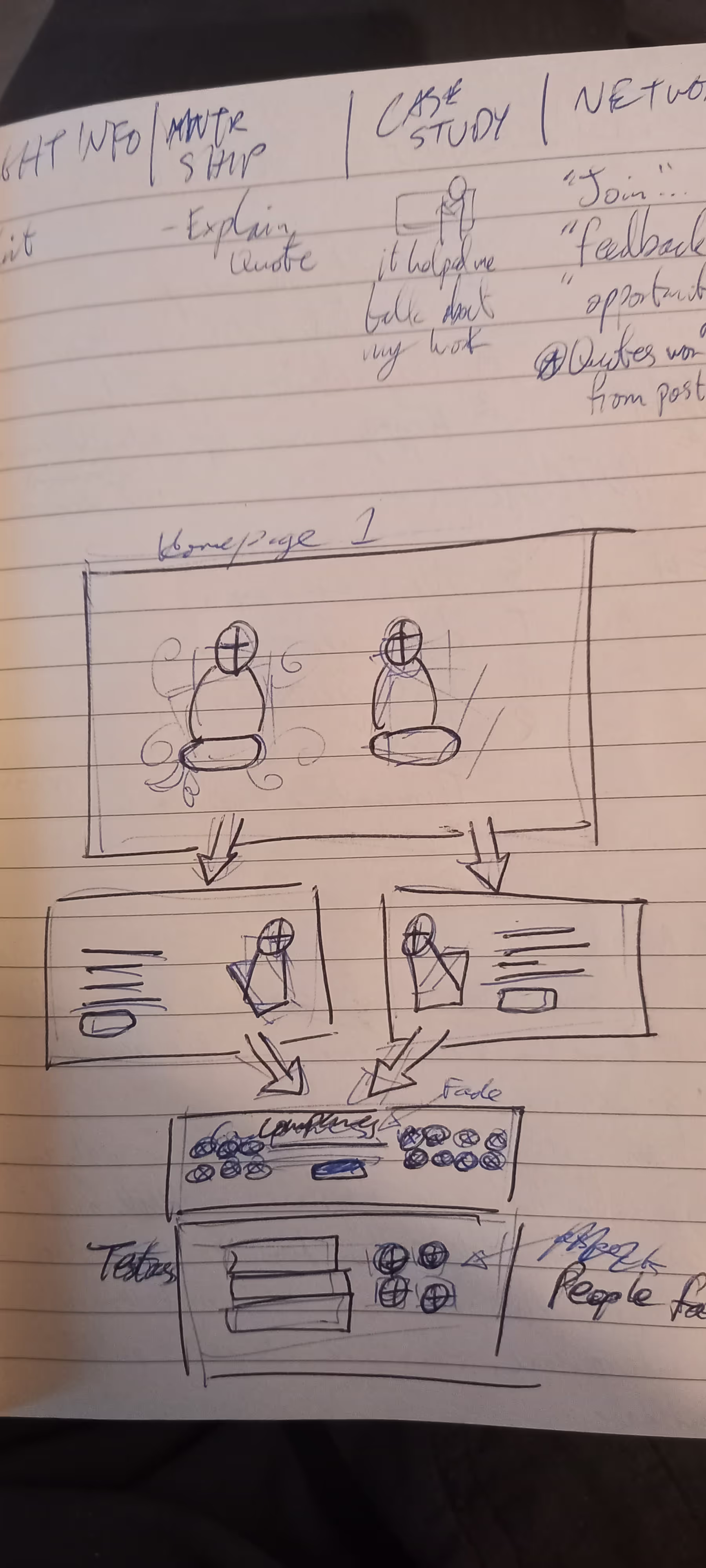
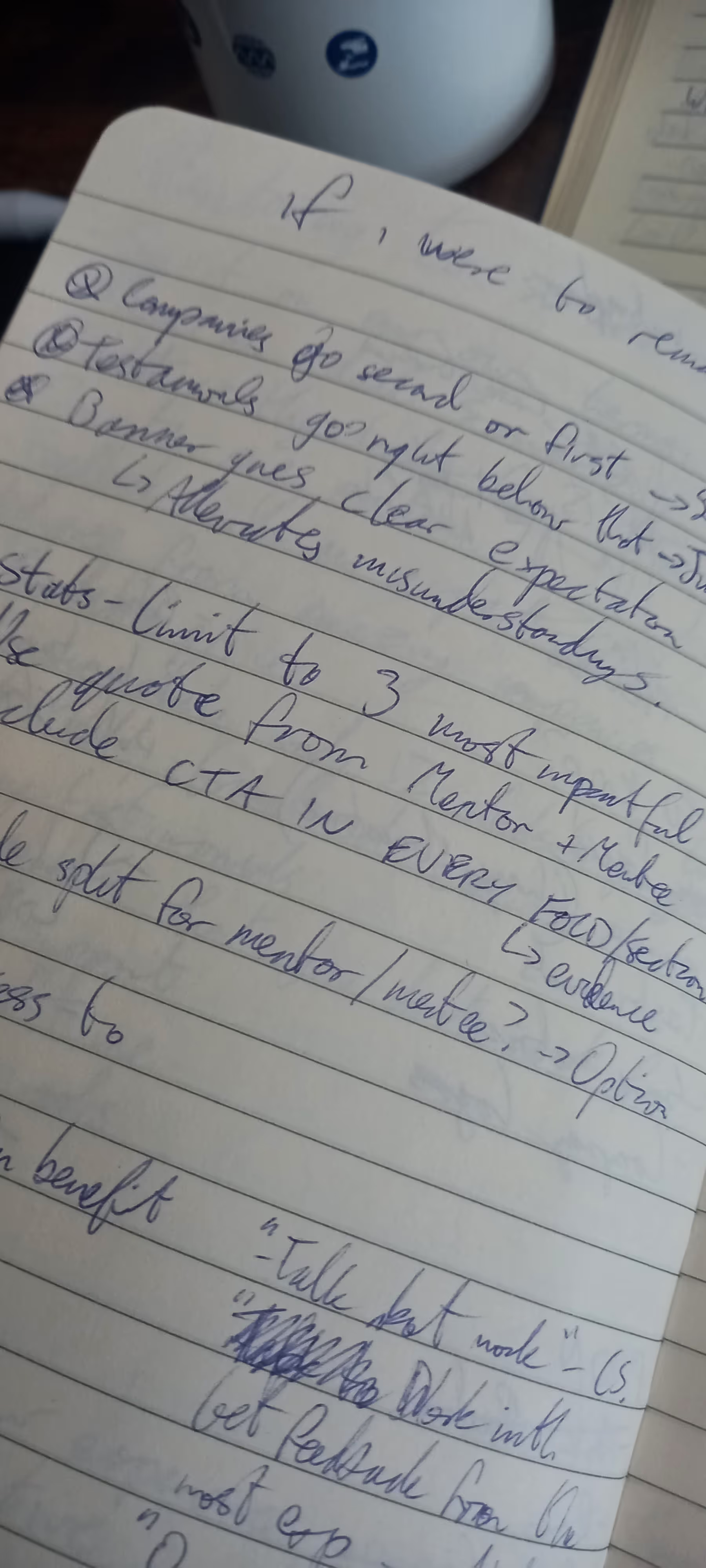
Disconnect from the computer screens and sketch ideas that will directly help alleviate the issues found in my research.

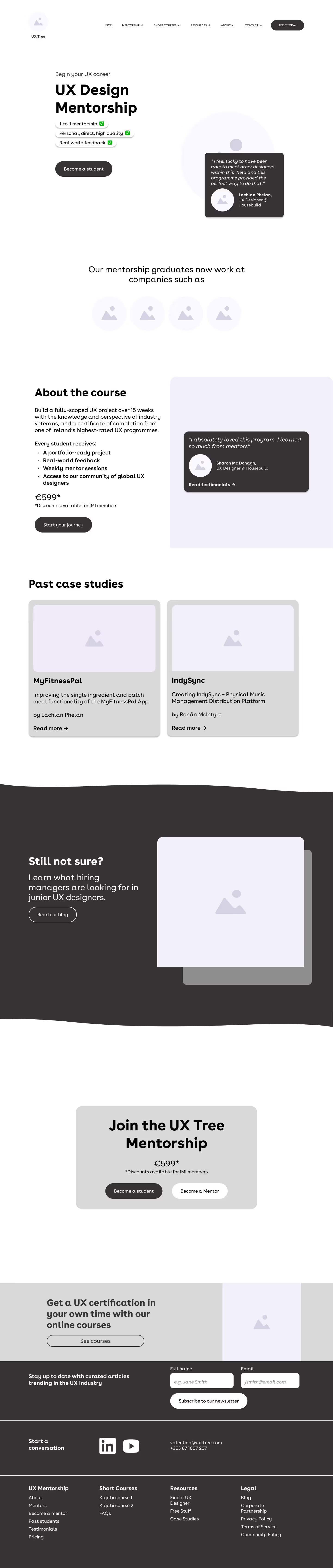
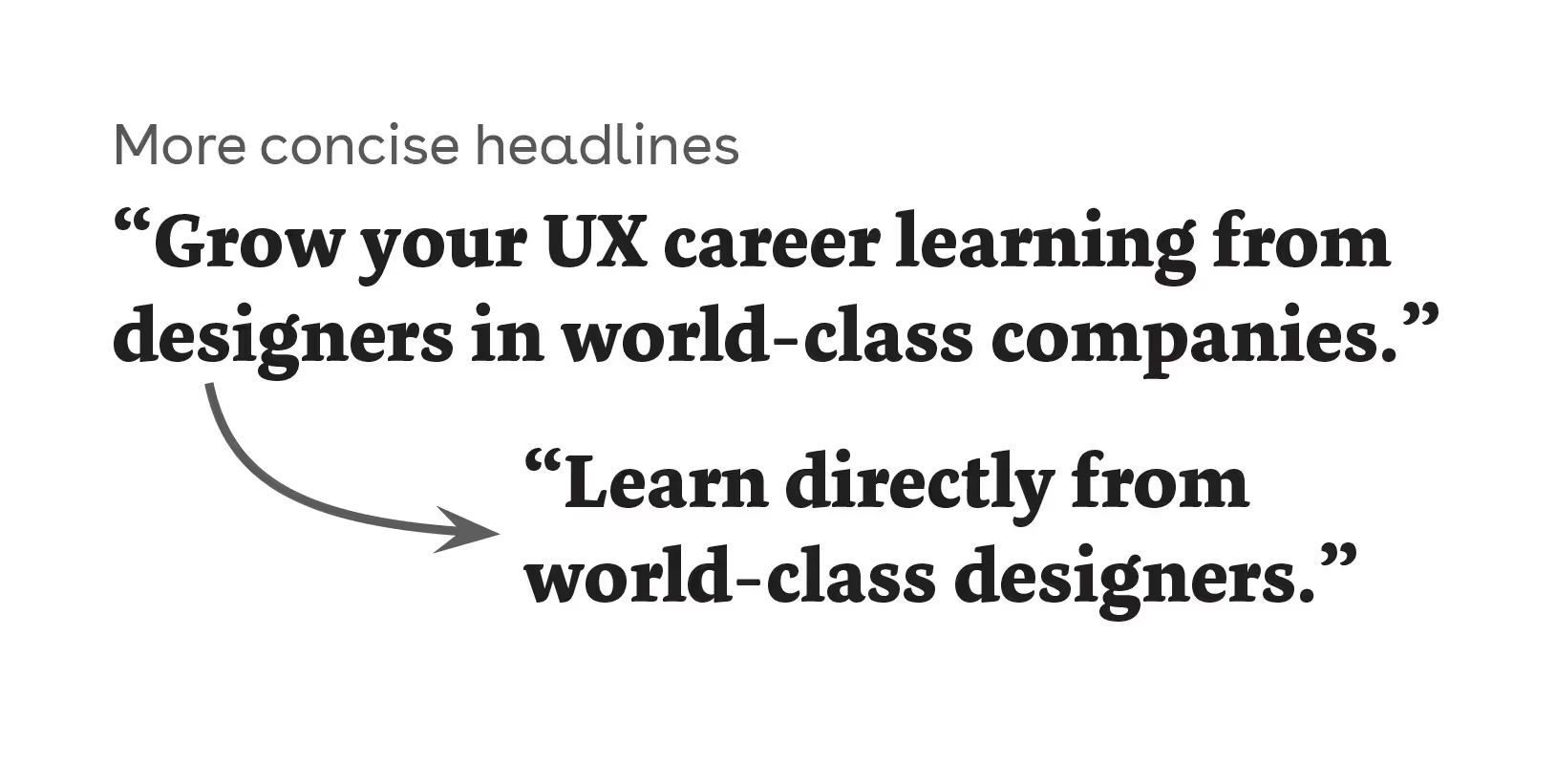
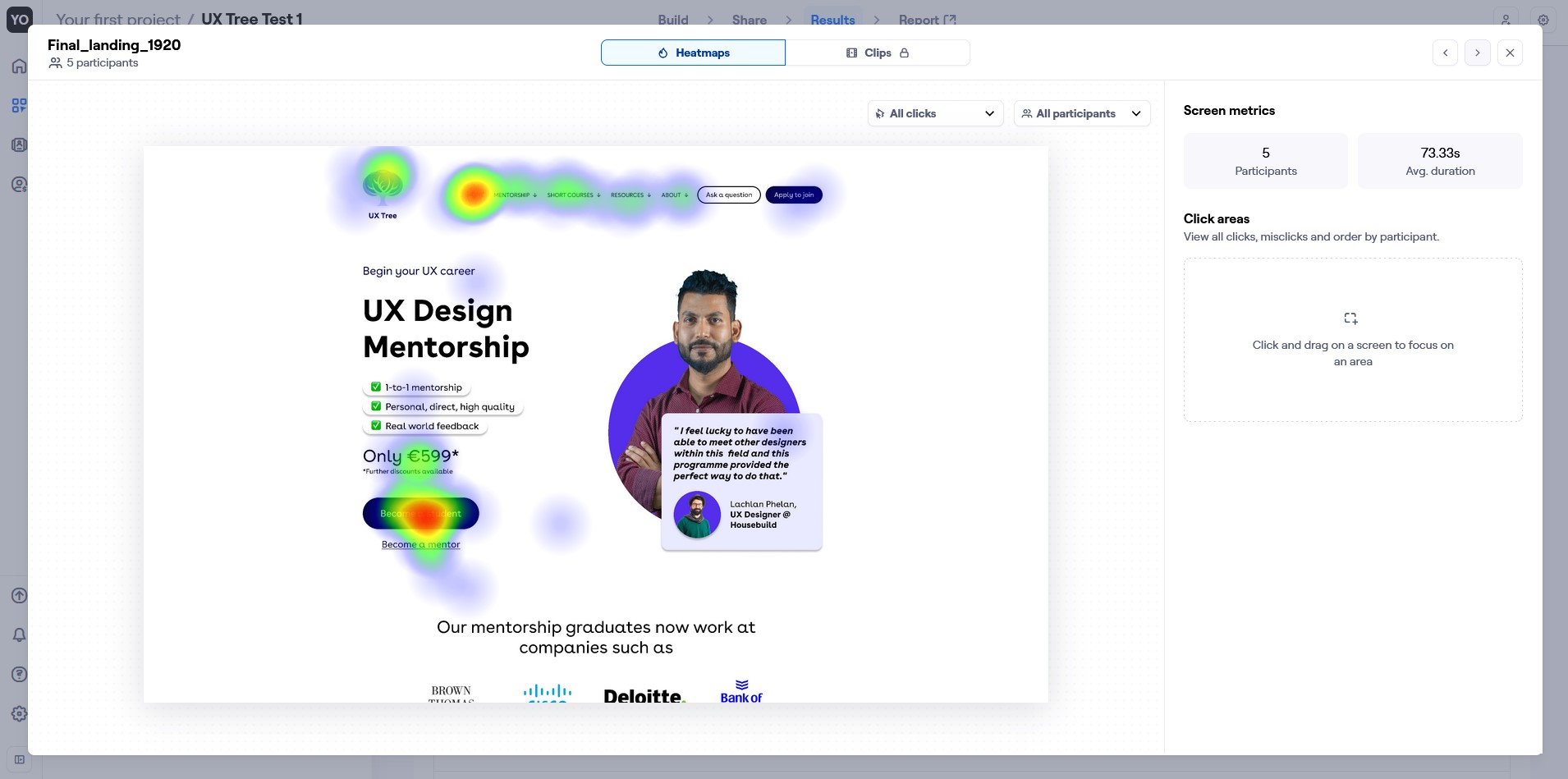
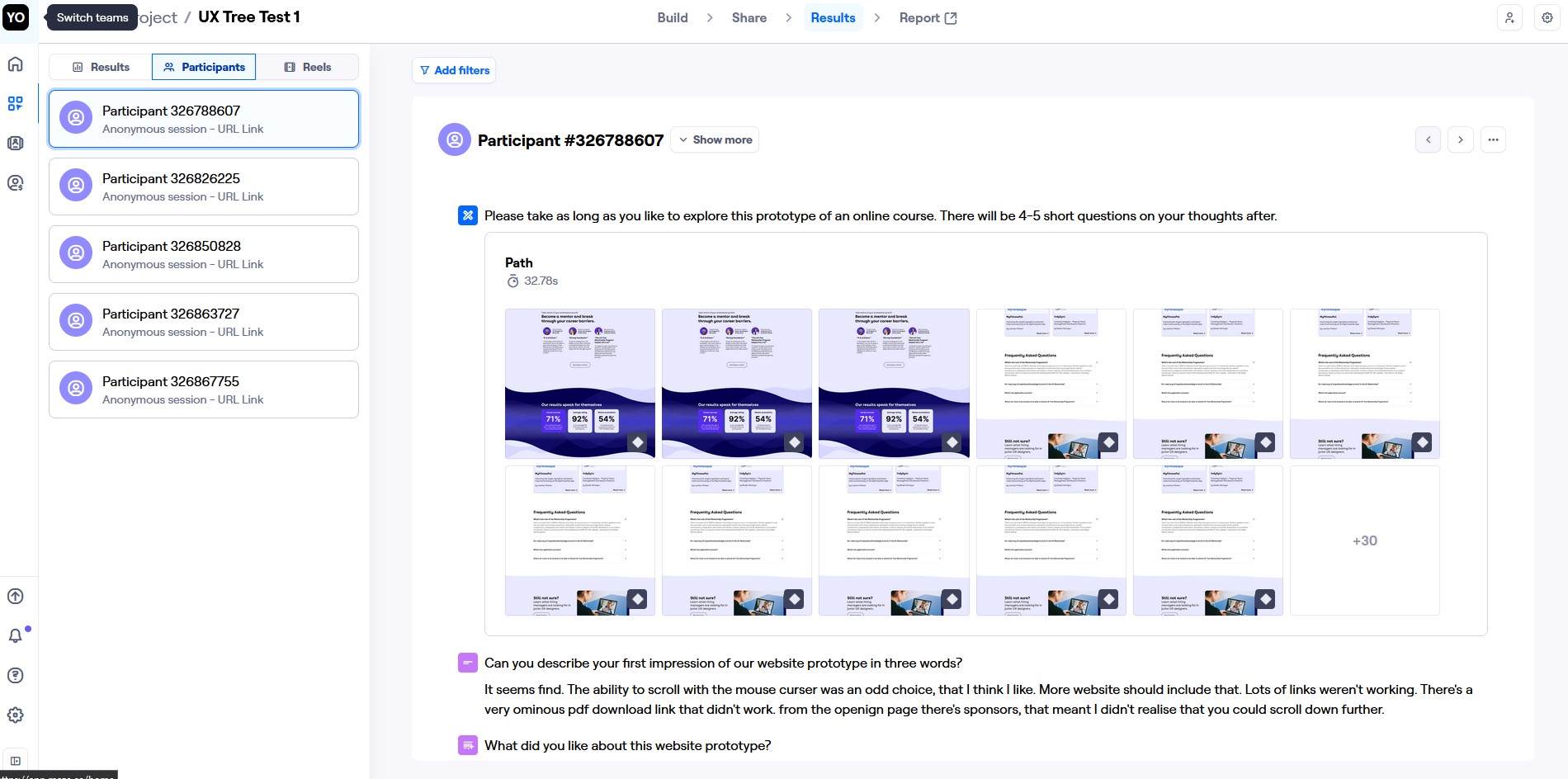
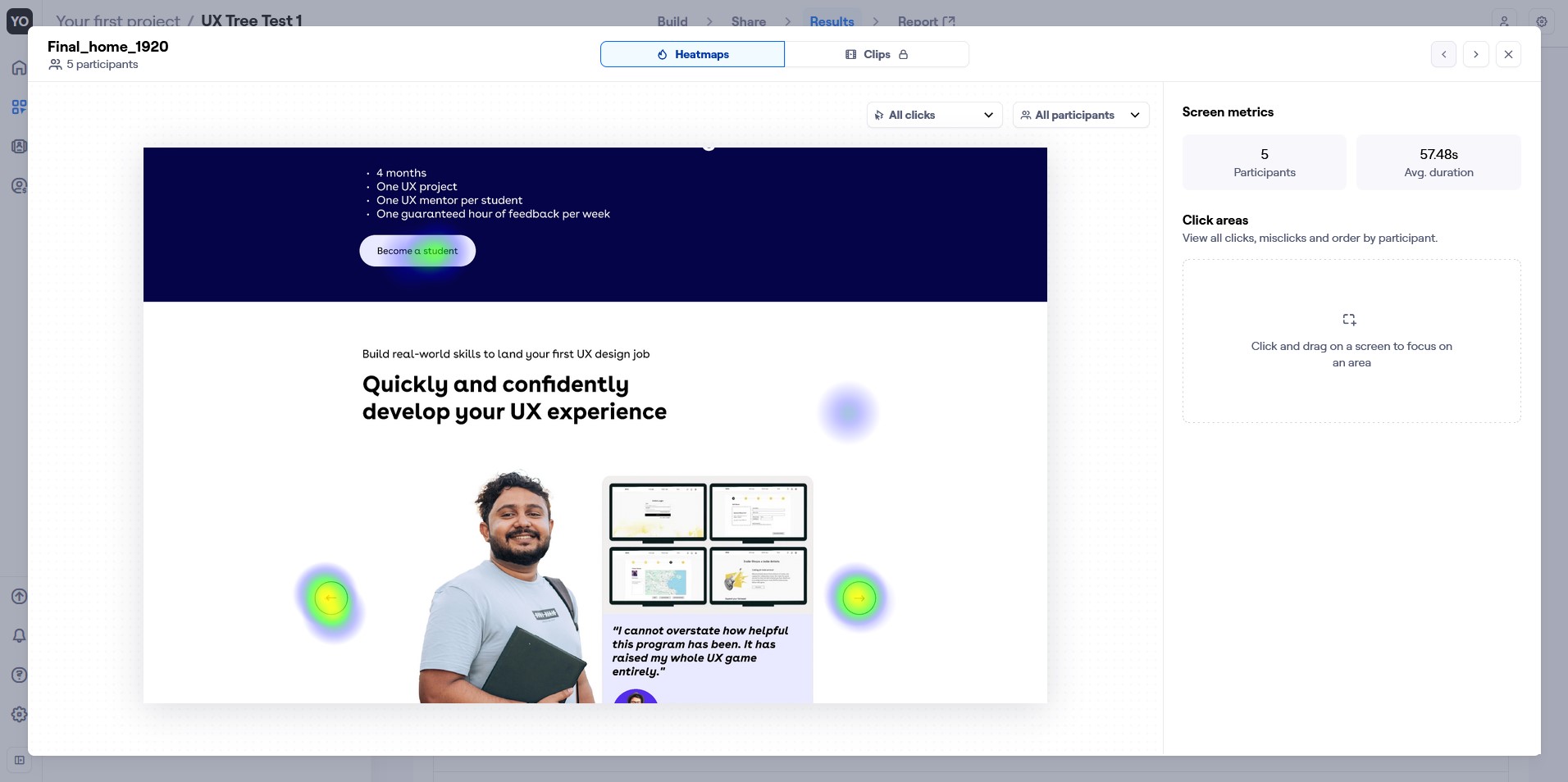
Through Maze, I sent a final few invitations for honest and open feedback, this time to non-UX professionals to gather opinions from a broader audience who wouldn’t have been as familiar with industry terminology that I might take for granted.
However, because I used an automated UX testing service, it was harder to get quality feedback. With no interviewer to ask questions, responses like “Yes” or ”No” were much more common, and so lacked usefulness without a follow-up capability.
Where Round 7 had a 39% acceptance rate among potential students offered a place, Round 8 had 75%, thereby nearly doubling the quality of applicants and halving the work needed at that stage by UX Tree.
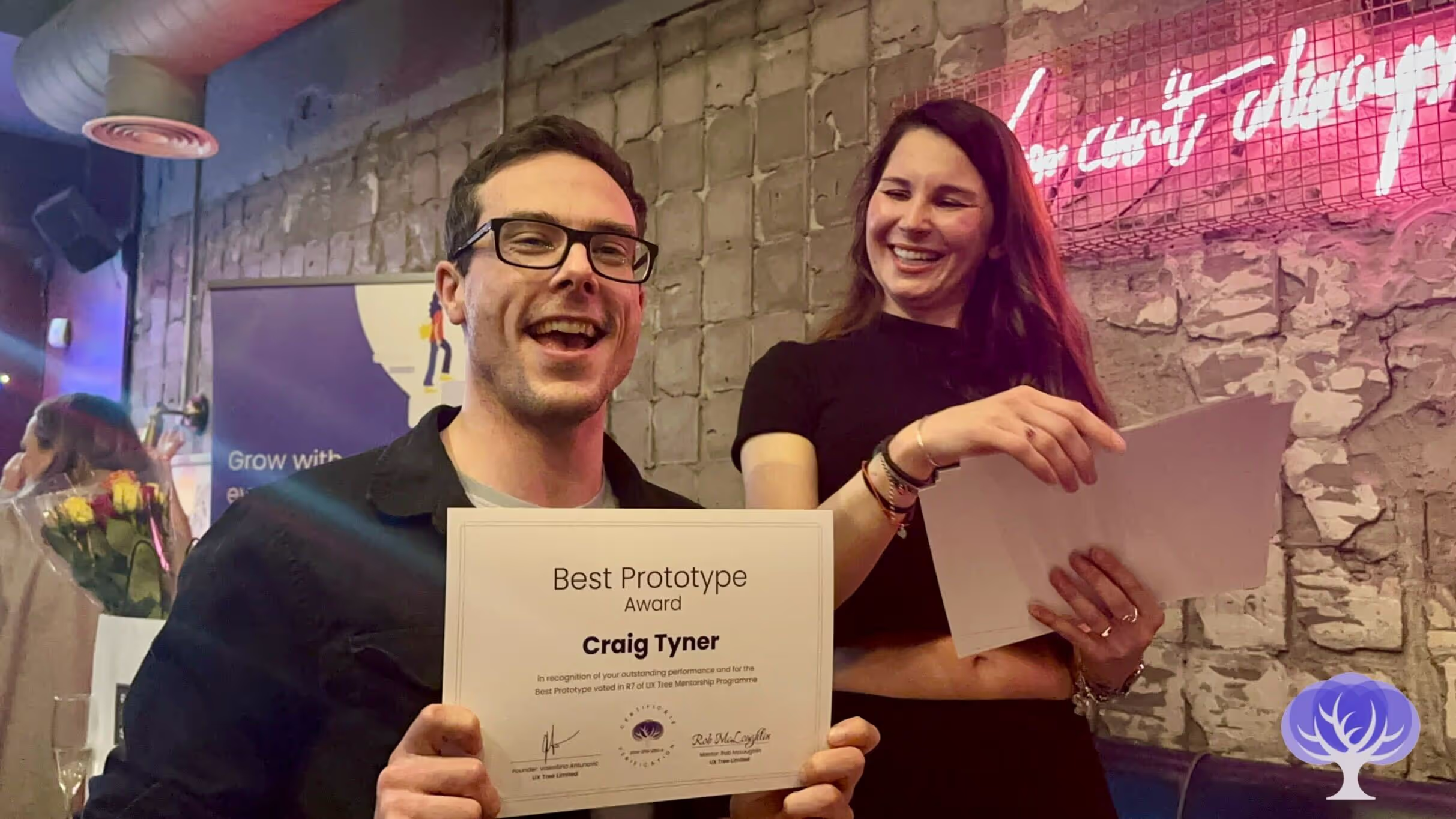
I was honoured to receive the “Best Prototype” award at the graduation ceremony, as voted for by the other UX Tree students and mentors.

Rob, UX Tree Steering Committee member
Valentina, UX Tree Founder